
Omani Heritage
Some of Oman's stories are still being made by hand.
A story from Nizwa about people, materials and making, and about why we built Sawiliy.
Meet today's makersOman remembers through its hands.
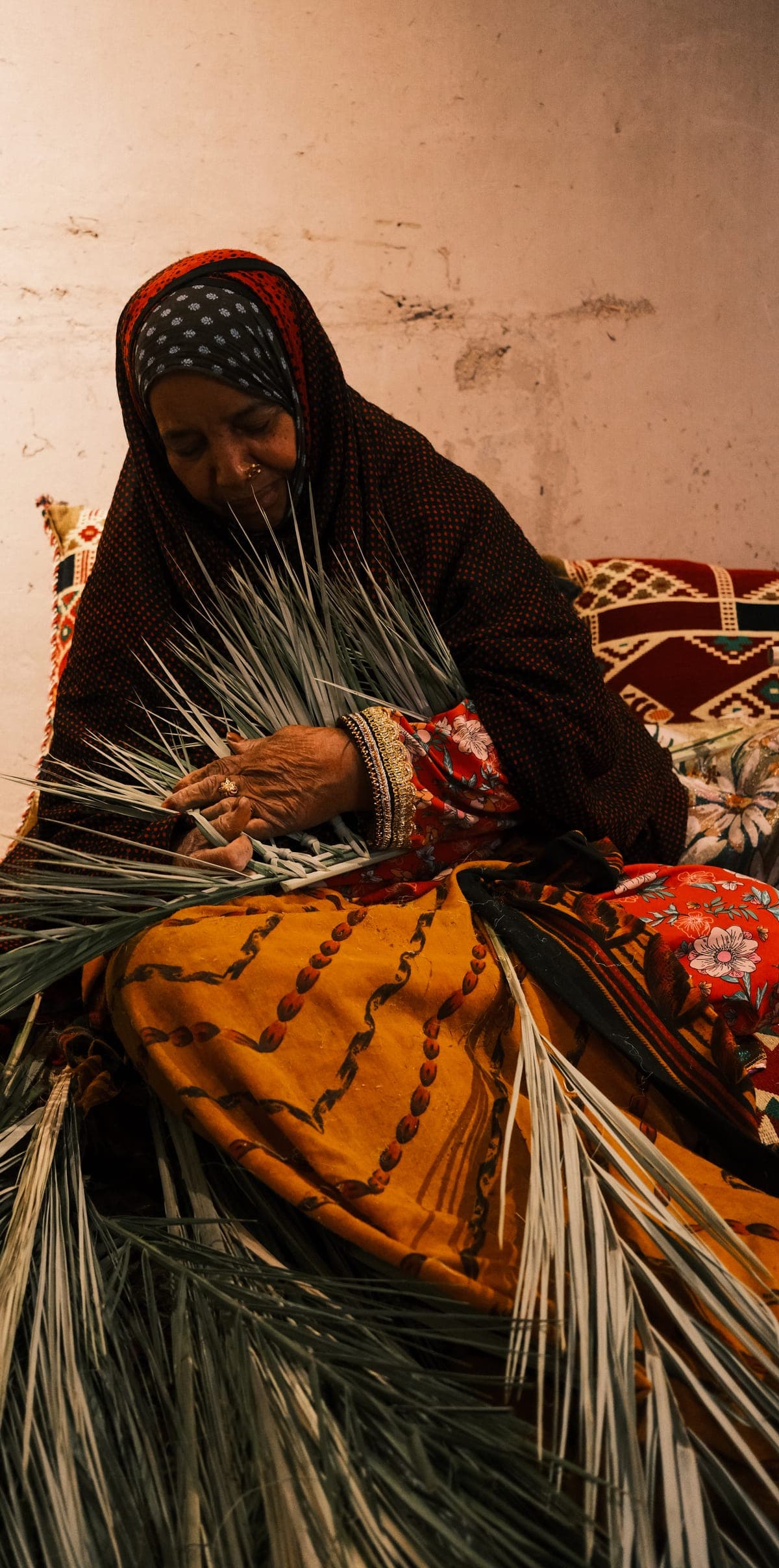
Culture is not kept only in forts and museums. It is also in what people know how to do: a palm leaf drawn into strips, a thread passed between the fingers, spices sorted in a basket. That is the Oman this page looks at.
Why Nizwa
These photographs were taken in Nizwa, in March 2026. Nizwa is the centre of Ad Dakhiliyah, the governorate at the heart of Oman's interior.1 Oman's Foreign Ministry says it was the country's capital for hundreds of years, and that it is famous for its round fort and its traditional market.1 The fort dates from the mid-17th century.2 Beside it stands Nizwa Souq, which Oman's Ministry of Heritage and Tourism calls famous for its handicrafts.2
According to Oman's Ministry of Information, the souq has for hundreds of years been home to local crafts such as dagger making, copper work and spinning, and to the sale of handmade goods.3 When Oman nominated the craft of the khanjar to UNESCO, the team preparing the file visited craftsmen in markets including Nizwa's.4
We do not say Nizwa stands for all of Oman. It is where this story was photographed.
The hands
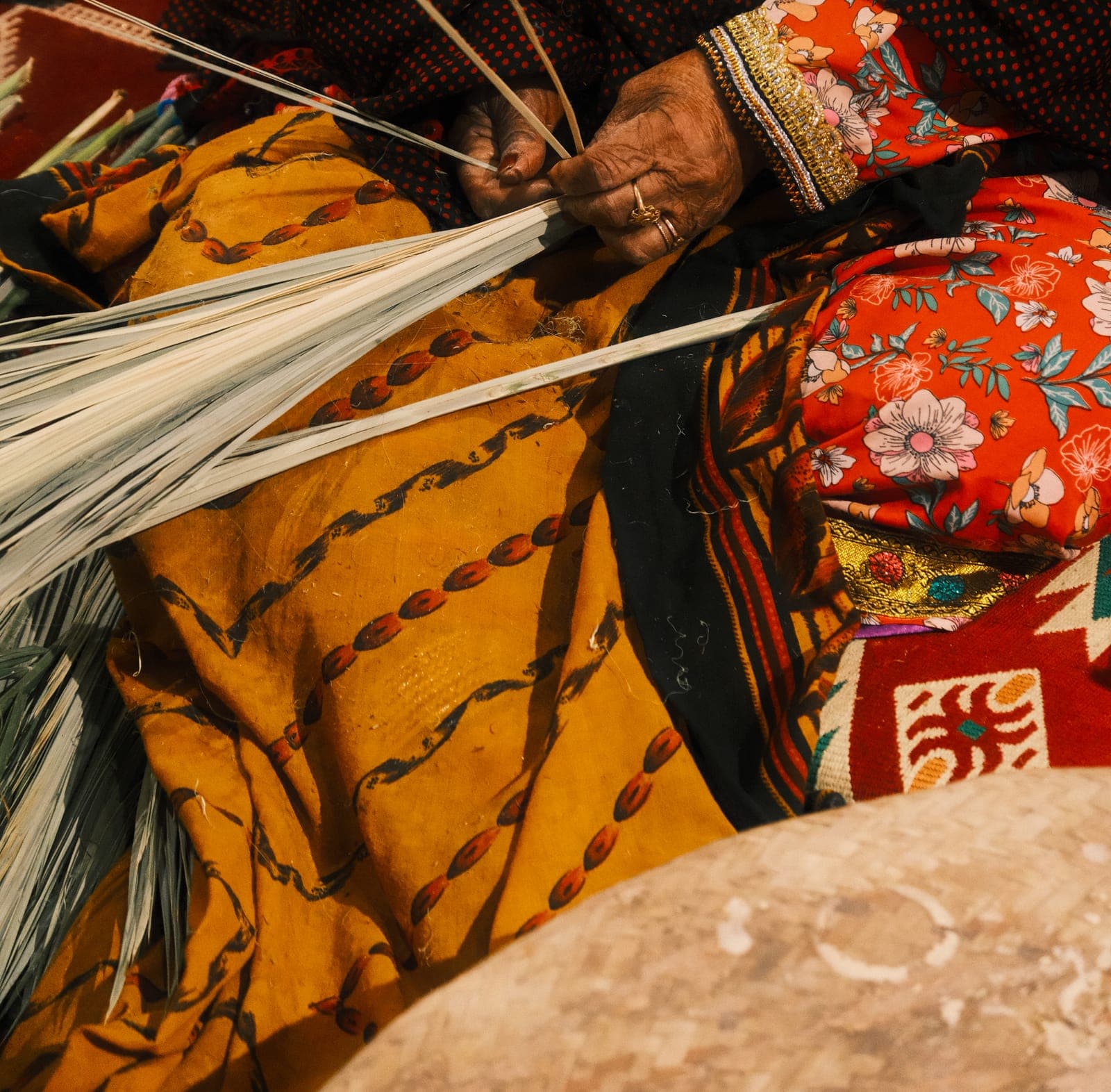
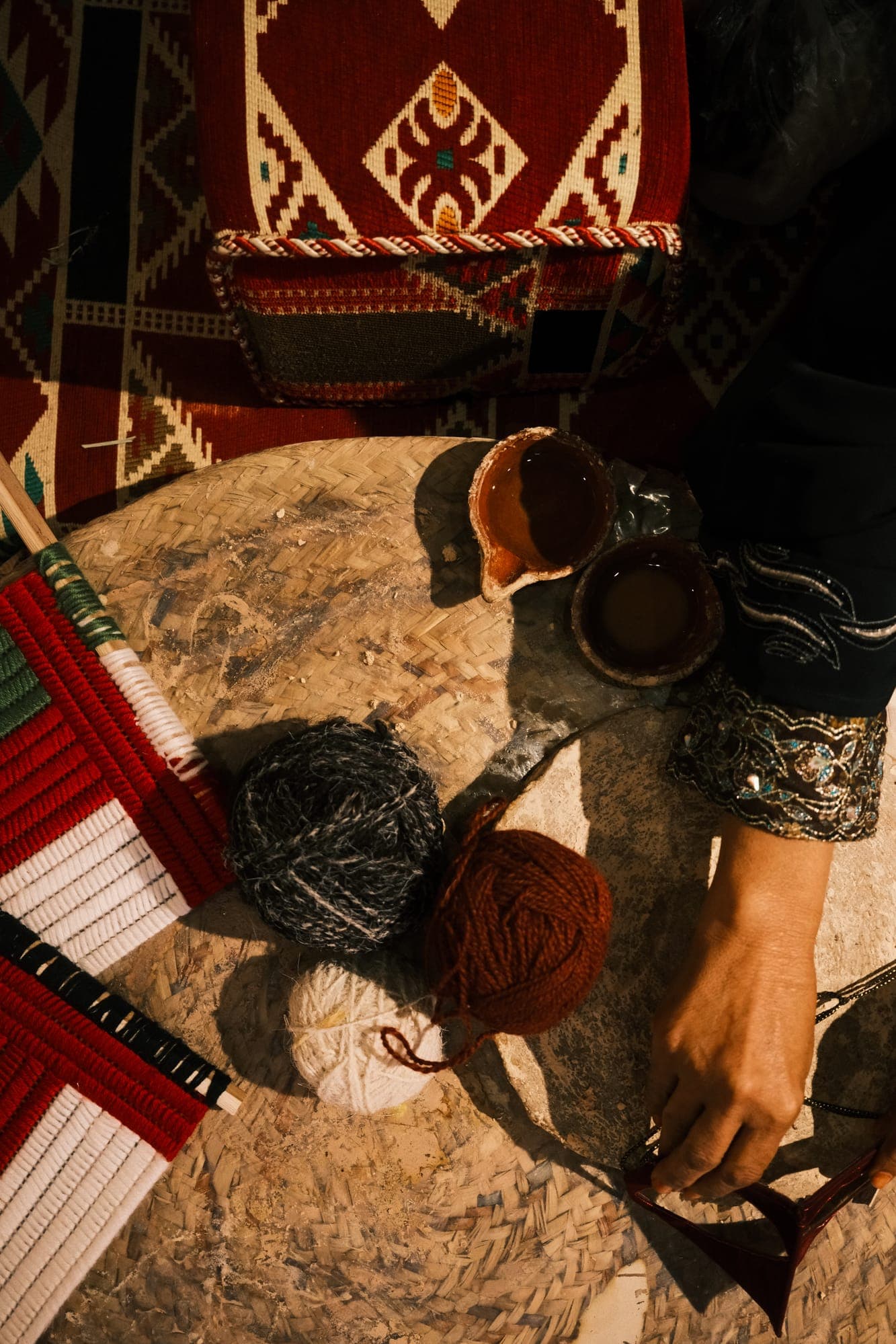
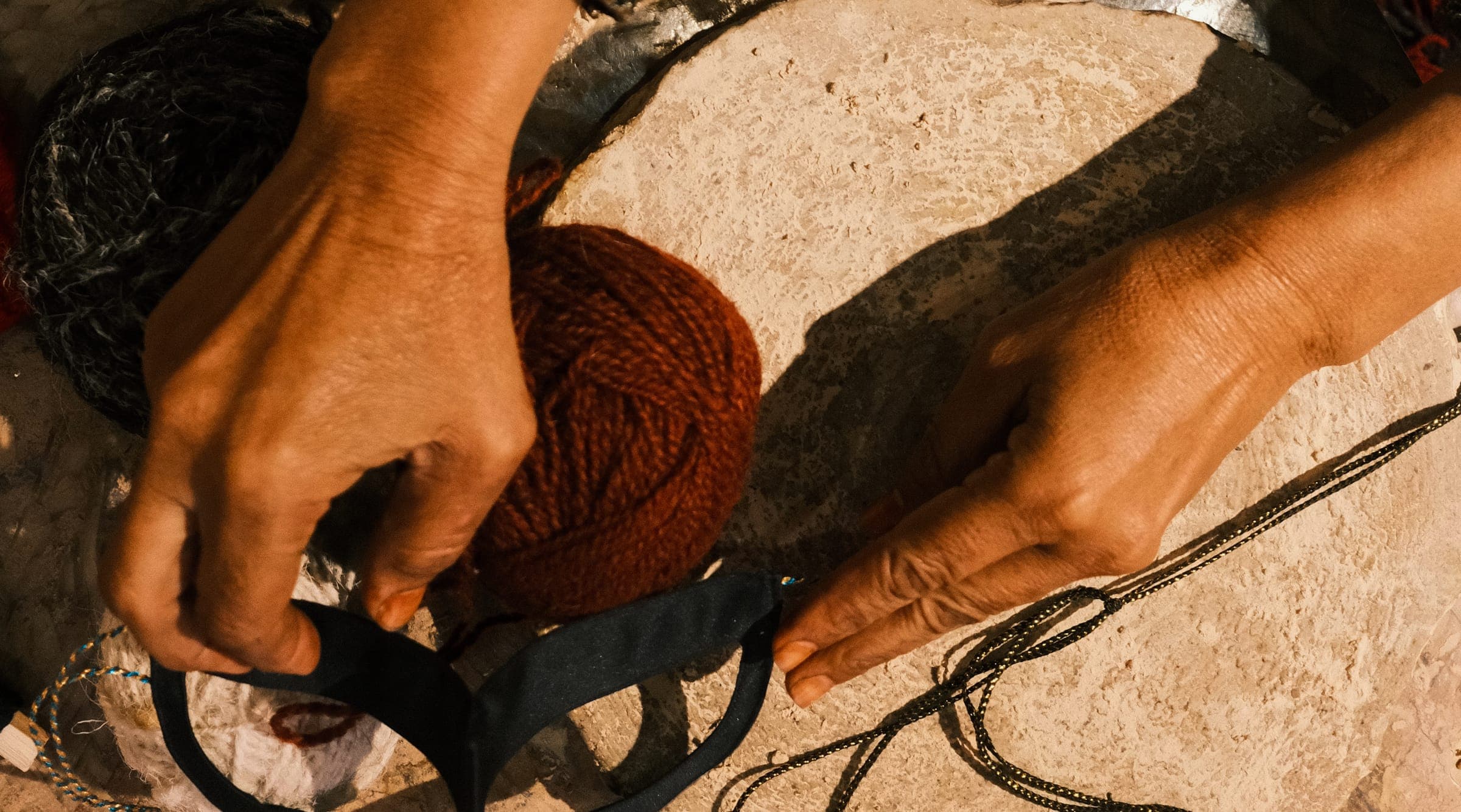
Look at the hands first. One pair draws strips of palm leaf between the fingers.
Another sorts cinnamon, star anise and dried rosebuds in a woven basket.
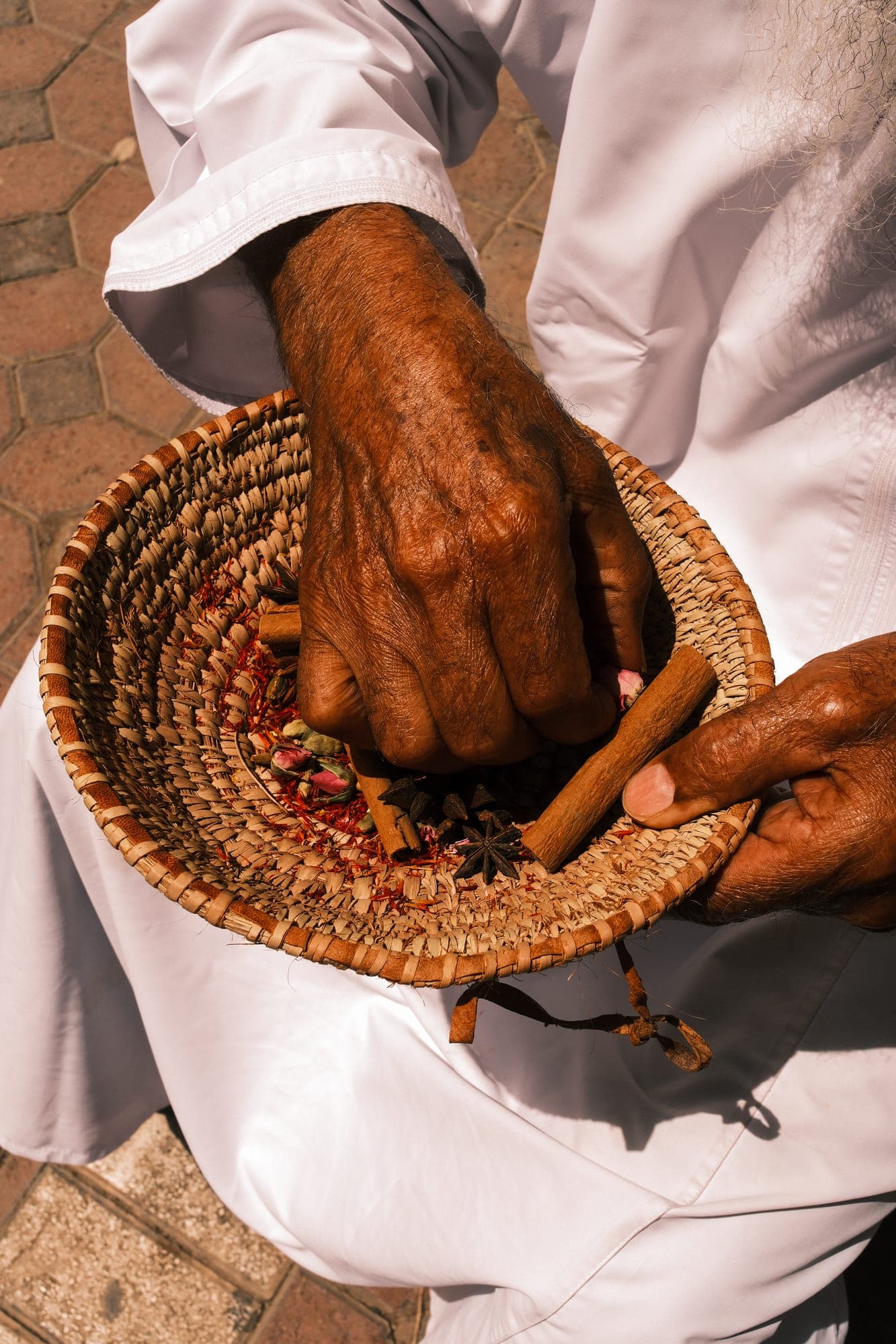
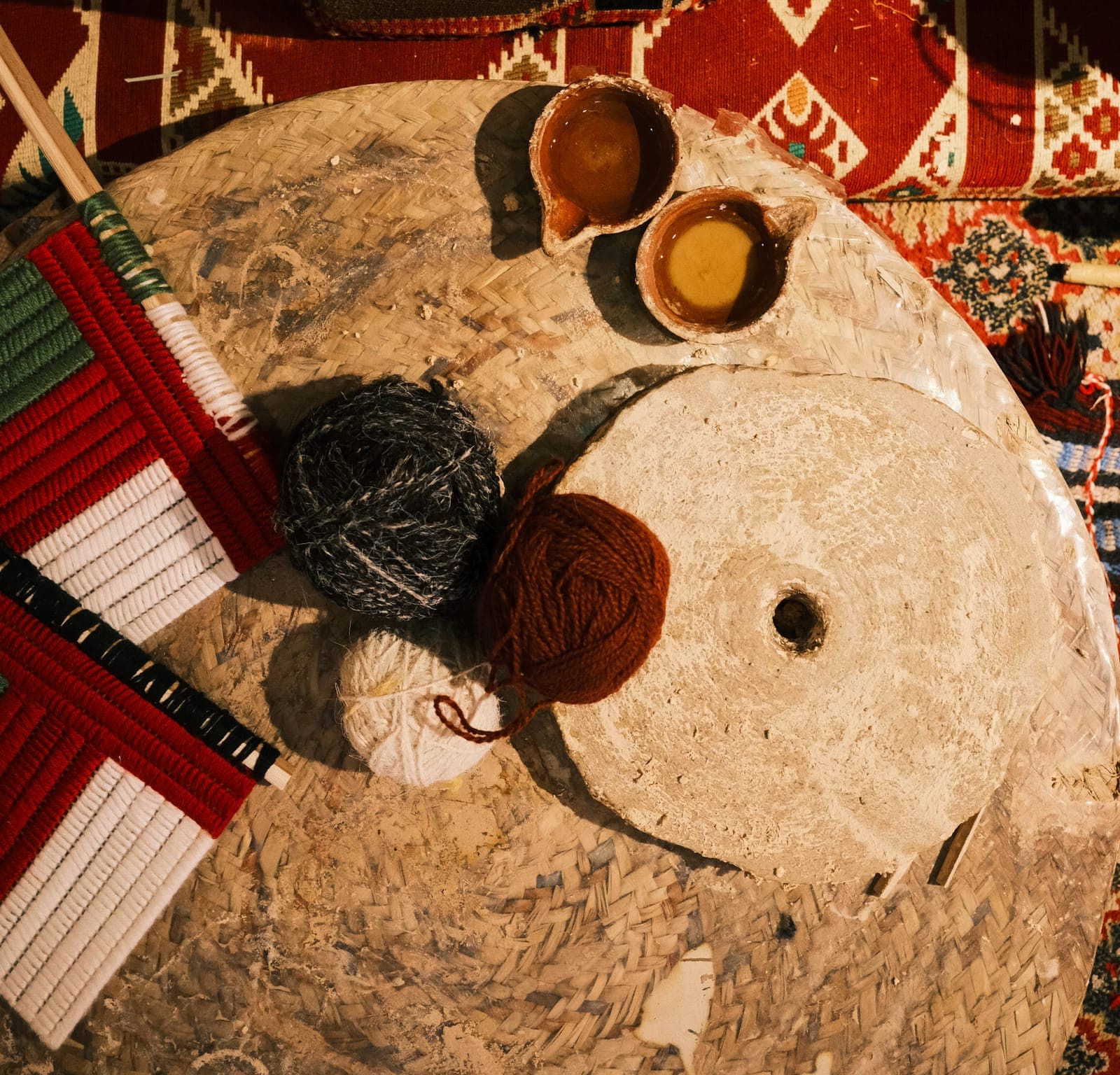
We do not yet know the names of the people in these photographs, and we will not guess their stories. What the photographs show is people at work, making with their hands.
The knowledge
A finished basket can be bought. Knowing how to make one has to be learned from someone.
UNESCO draws the same line: its 2003 convention is concerned mainly with the skills and knowledge involved in craftsmanship, rather than with the craft products themselves.5 The importance of intangible cultural heritage, UNESCO says, lies in the knowledge and skills passed through it from one generation to the next.6 Of the Omani khanjar, UNESCO records that the craft is passed on within families, and also through training centres and school curricula.4 Of the date palm, it records that the knowledge travels by word of mouth and by practice, and also through schools and institutes.7
The materials
Palm leaf, yarn and thread, spice, clay. In these photographs the materials are never far from the hands.
UNESCO lists the knowledge that surrounds the date palm, including the use of its leaves, fronds and fibres for crafts, as heritage shared by Oman and fourteen other countries.7,8 Oman's Ministry of Information traces palm-frond work to the country's reliance on the date palm, and names the mat and the basket among the things made from it.9
We cannot yet name the pieces being made in these photographs, so we do not.
Living heritage
Heritage is not only what has been kept. It is also what is still being done.
UNESCO has a name for this: living heritage.10 It means the practices, knowledge and skills that communities recognise as part of their heritage, passed from generation to generation and constantly recreated.11 Oman ratified UNESCO's convention on this heritage in 2005.12 The craft skills of the khanjar and the knowledge of the date palm are among the Omani entries on UNESCO's list.8,12,13 Oman's Ministry of Heritage and Tourism uses the same words for Nizwa, describing a visit to its fort, with the souq beside it, as bringing together history, architecture and living heritage.2
The founder's story
Why Sawiliy
I visited different places across Oman and was deeply captivated by the richness of its culture and by how firmly its people hold onto their heritage. The uniqueness of Omani traditions and crafts stayed with me in a way I rarely experience elsewhere.
Later, a conversation with a friend introduced me to another side of that heritage: handmade art and jewellery passed down through families, often kept for generations and shared as gifts rather than made for sale. I even received one of these pieces myself.
As a developer, that experience stayed with me. I began wondering how technology could create something genuinely valuable for the people behind these crafts and for a country that had taught me so much. That thought became Sawiliy.
I hope Sawiliy grows into an important place for Oman's creators — helping their work and craftsmanship be seen, appreciated and discovered by people in Oman and around the world.
K.J Muhammad
We created Sawiliy because we believe the people making things today deserve to be discovered too.
We did not set out to keep anyone's heritage or to speak for it. We set out to build one modern place where a maker working today can show their pieces, where a buyer can find them, and where the two can talk directly.
What Sawiliy does
A shop of their own
Every maker gets a page for their work: their name, their words, their prices.
Found by people looking
Pieces are listed by craft and by occasion, so someone looking for handmade work can find them.
Straight to the maker
Buyers message the maker directly on WhatsApp. Sawiliy does not stand between them.
One link to share
Each shop has one link and a QR code that the maker can share anywhere.
Sawiliy is a marketplace, built with respect for the people who make.
The story continues
The people in the photographs above are not Sawiliy sellers. The makers below are. They are working today, and each has a shop of their own.

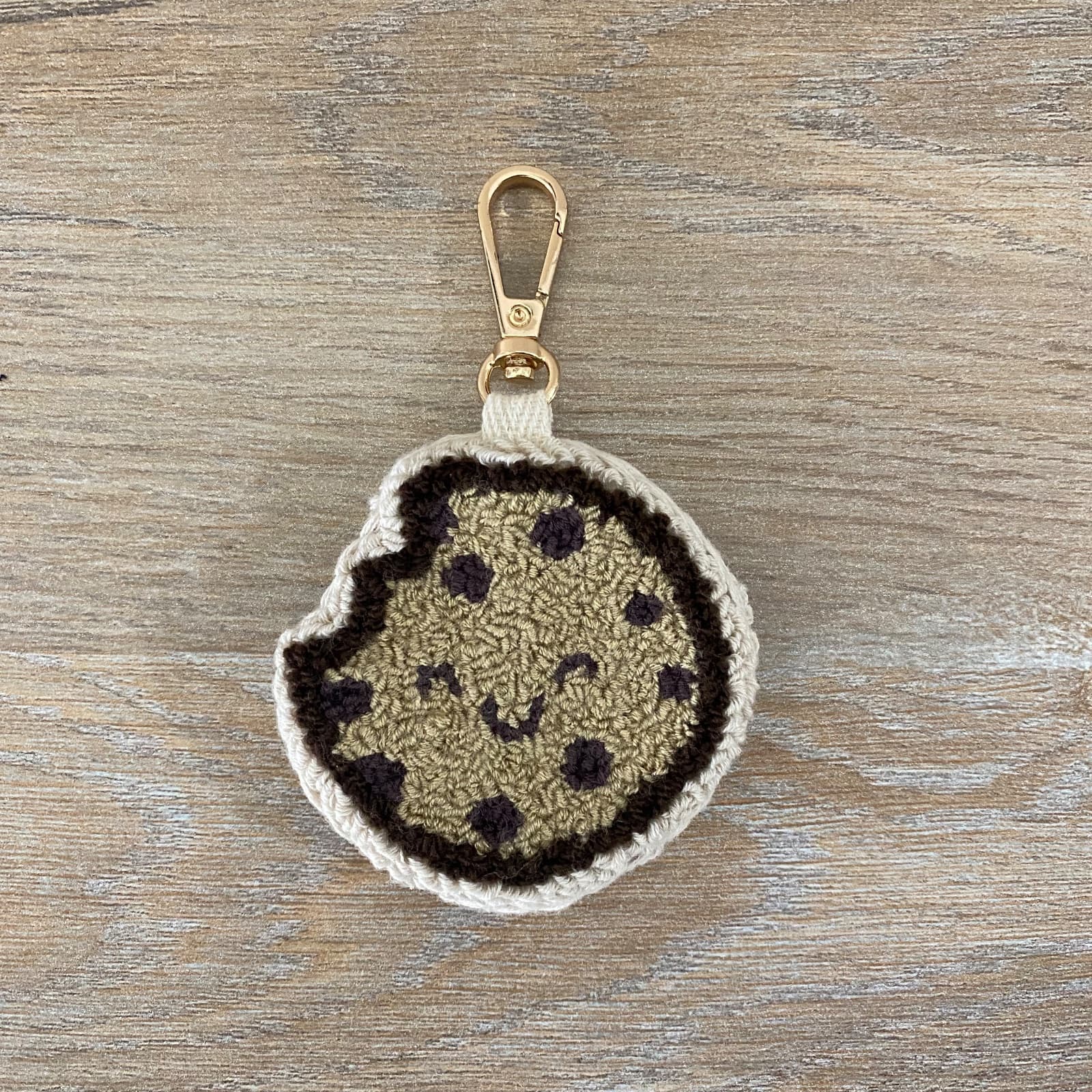
Isra happy art
Salalah, Oman
اصنع قطع مميزه بطريقة punch needle
Visit the shop →
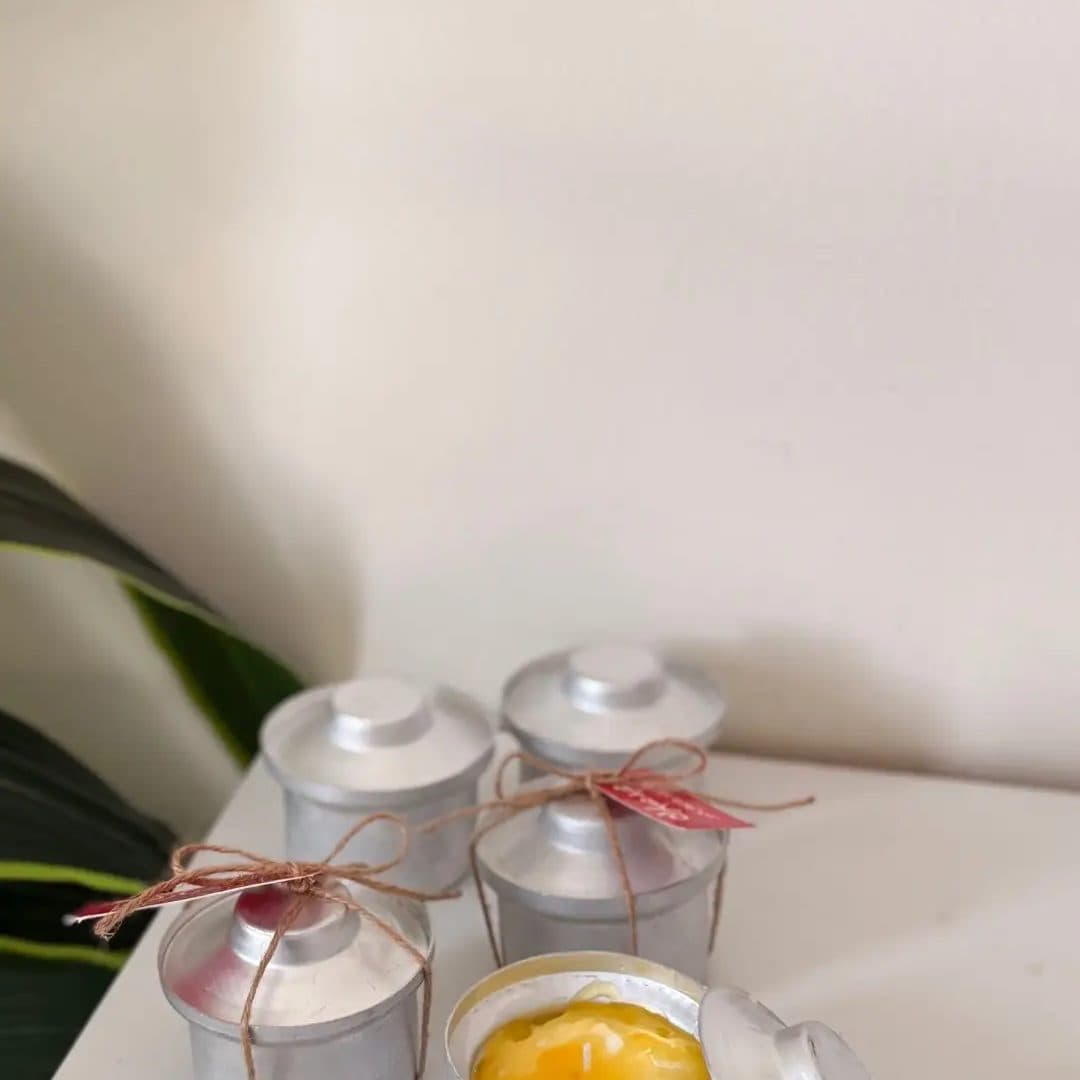
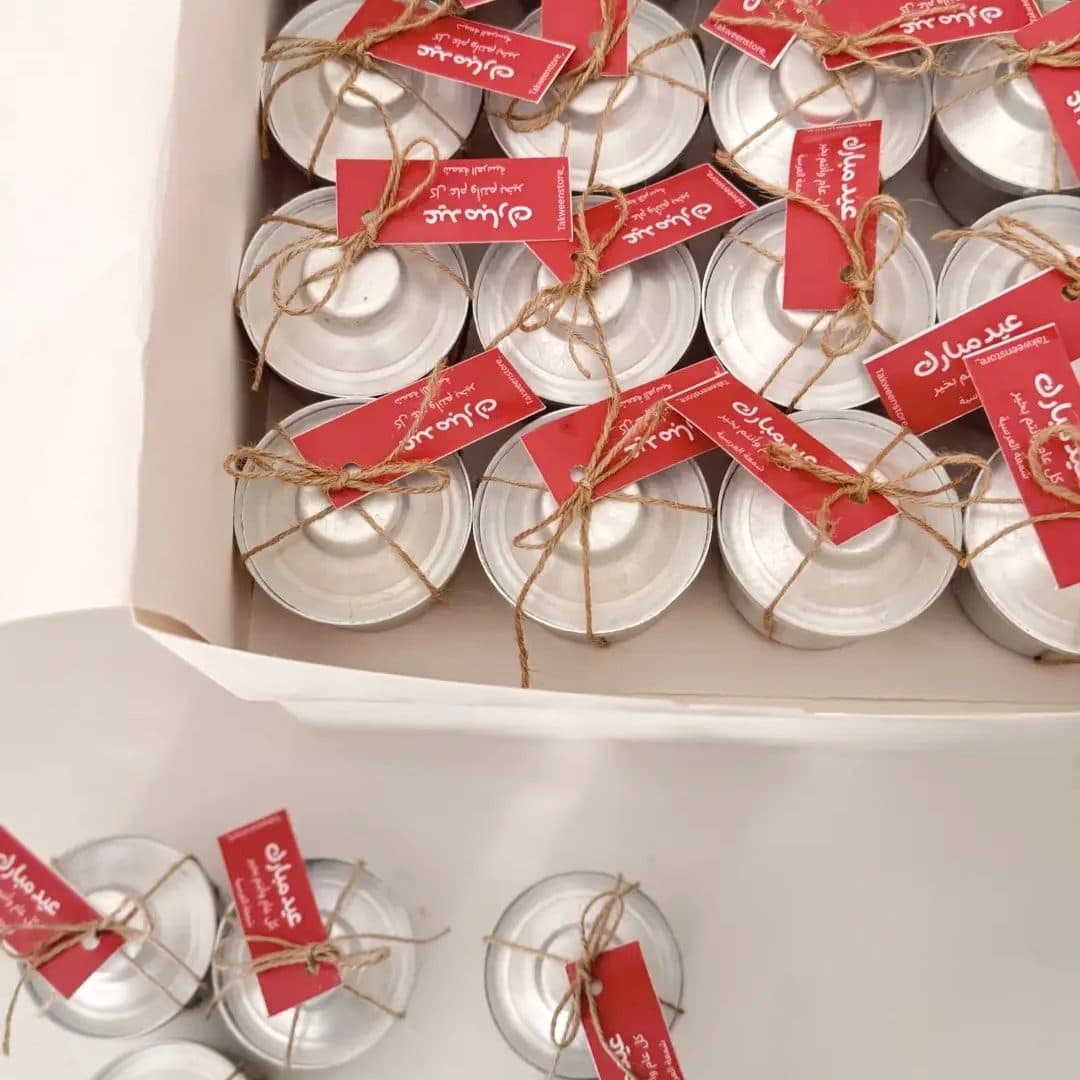
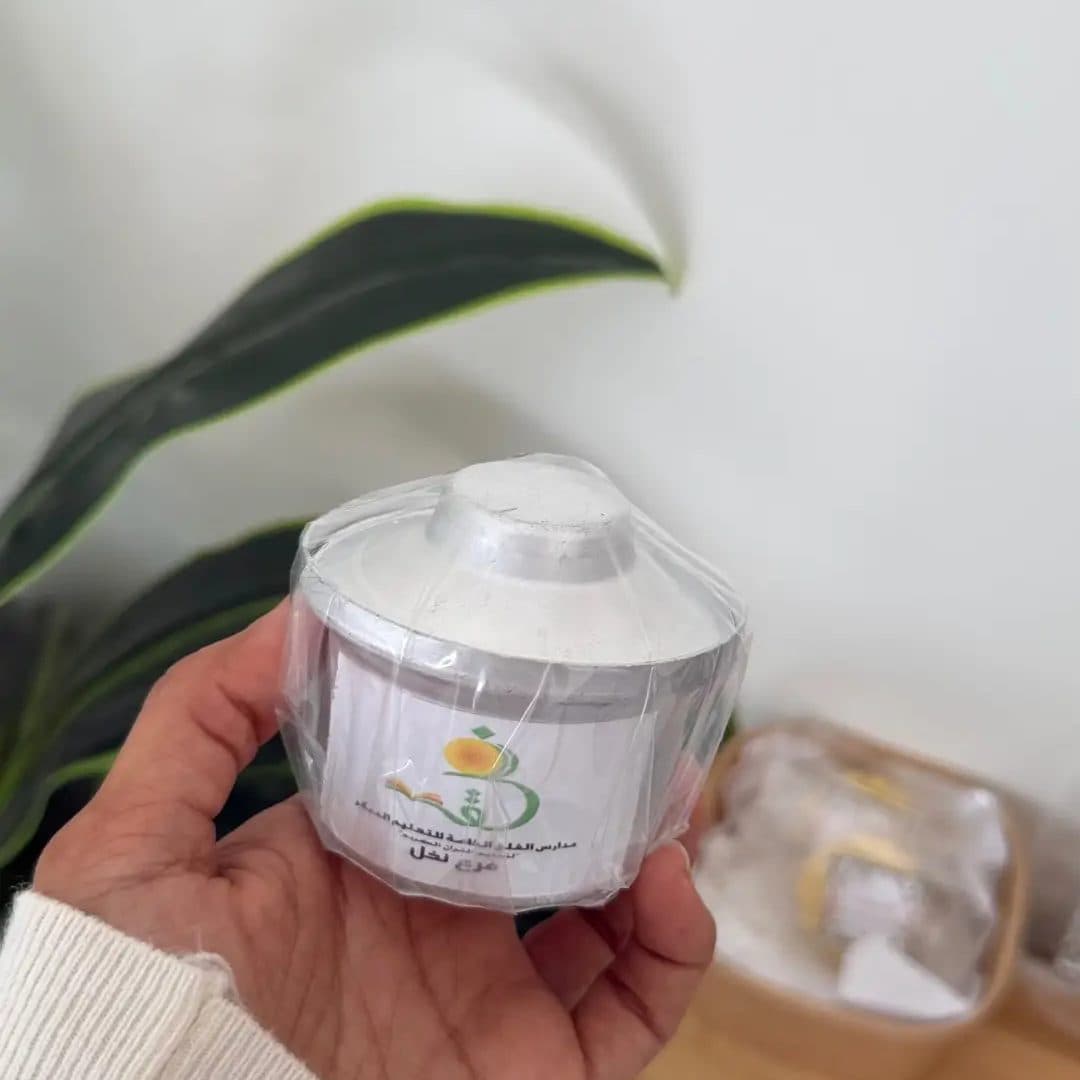
Takween candle
Barka, Oman
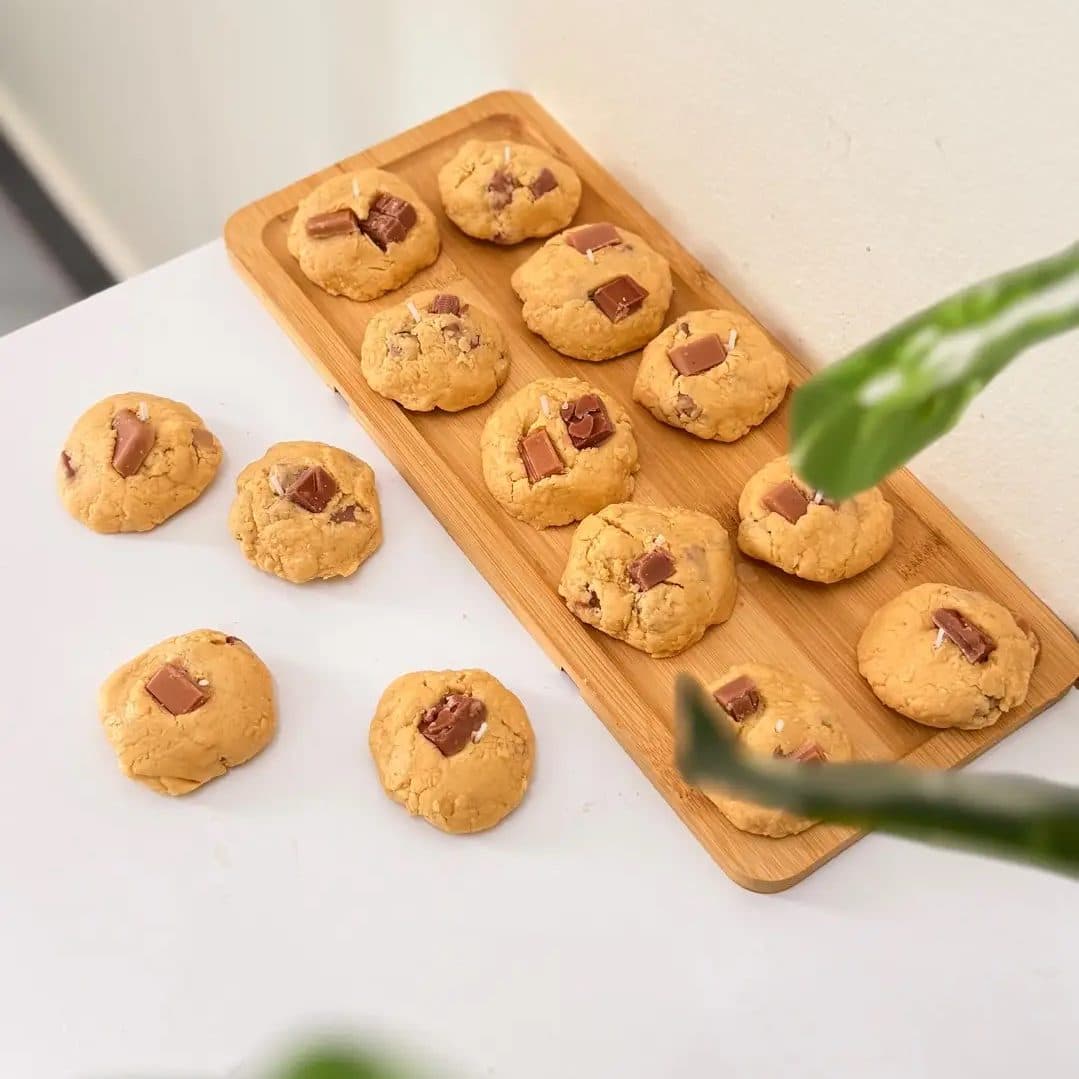
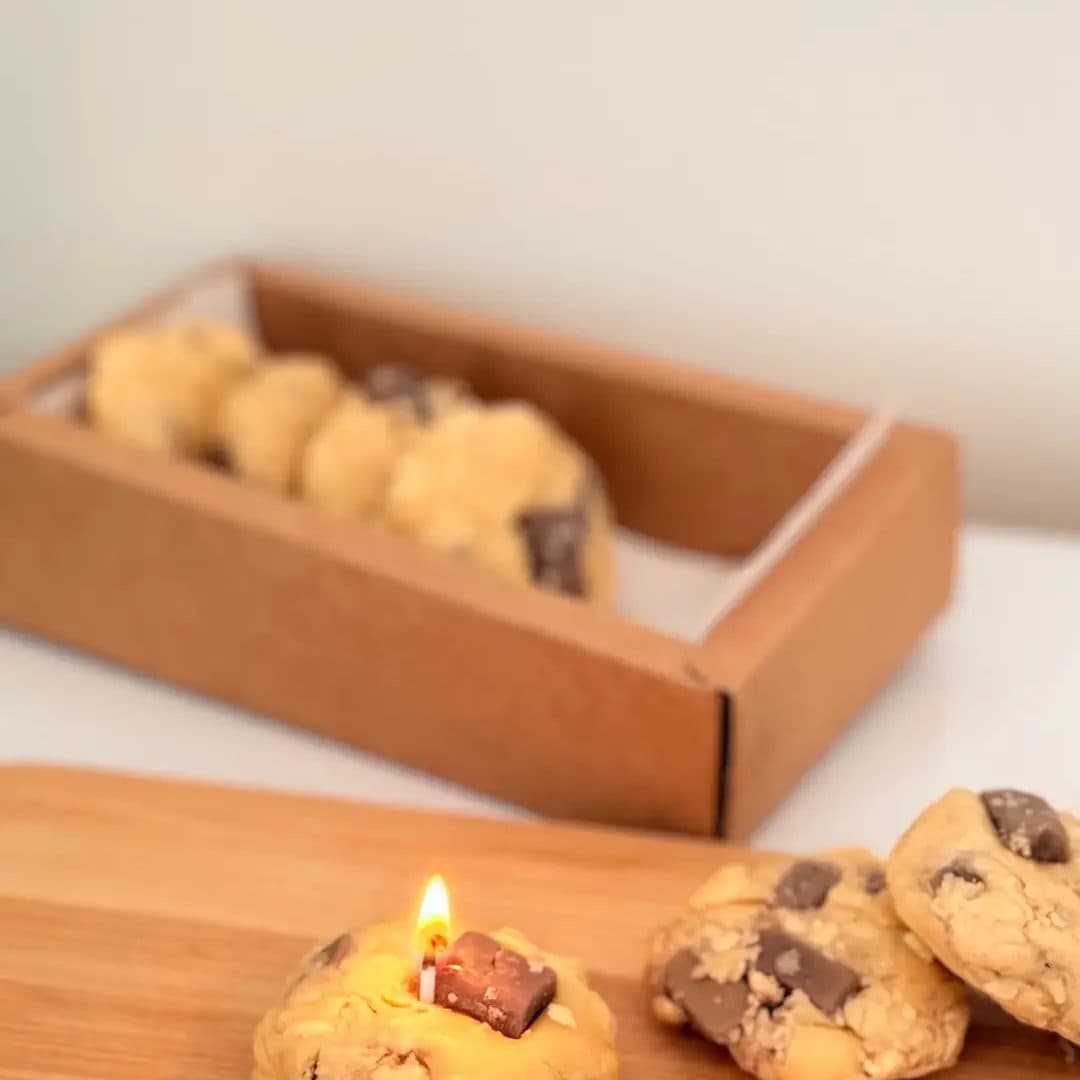
I’m Kamila, and this is where the story of Takween Candle began. 🕯️🤍 Takween Candle is an Omani brand specializing in handmade natural candles, featuring creative designs that combine beauty with a personal touch. We offer decorative candles, everyday-use candles, gifts and favors, and candle-painting boxes for activities and events, with designs inspired by Omani heritage, food, and desserts, including pieces that can be reused and repurposed. Takween Candle — Candles with an idea, details that feel like you.
Visit the shop →
Shlwlw
Sohar, Oman
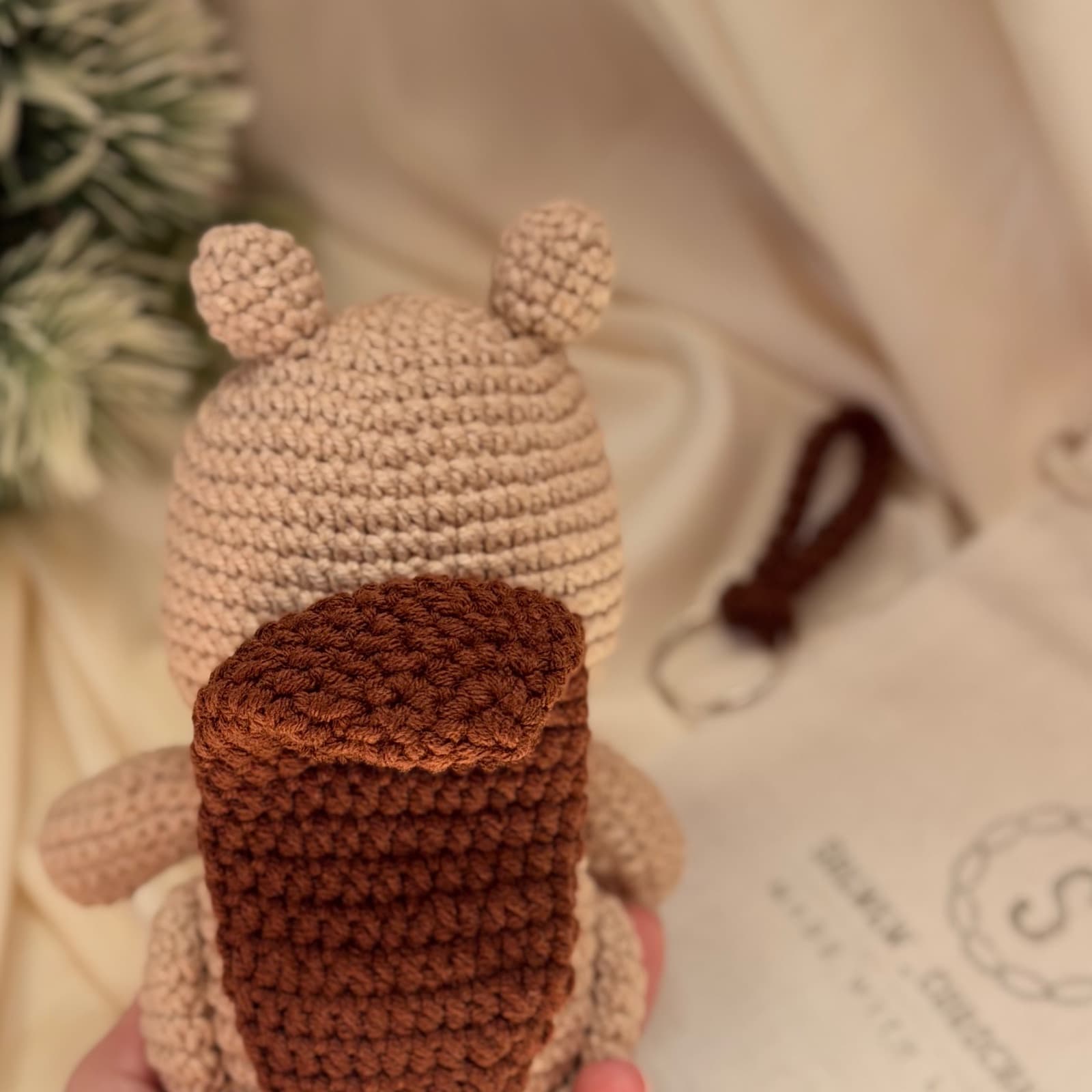
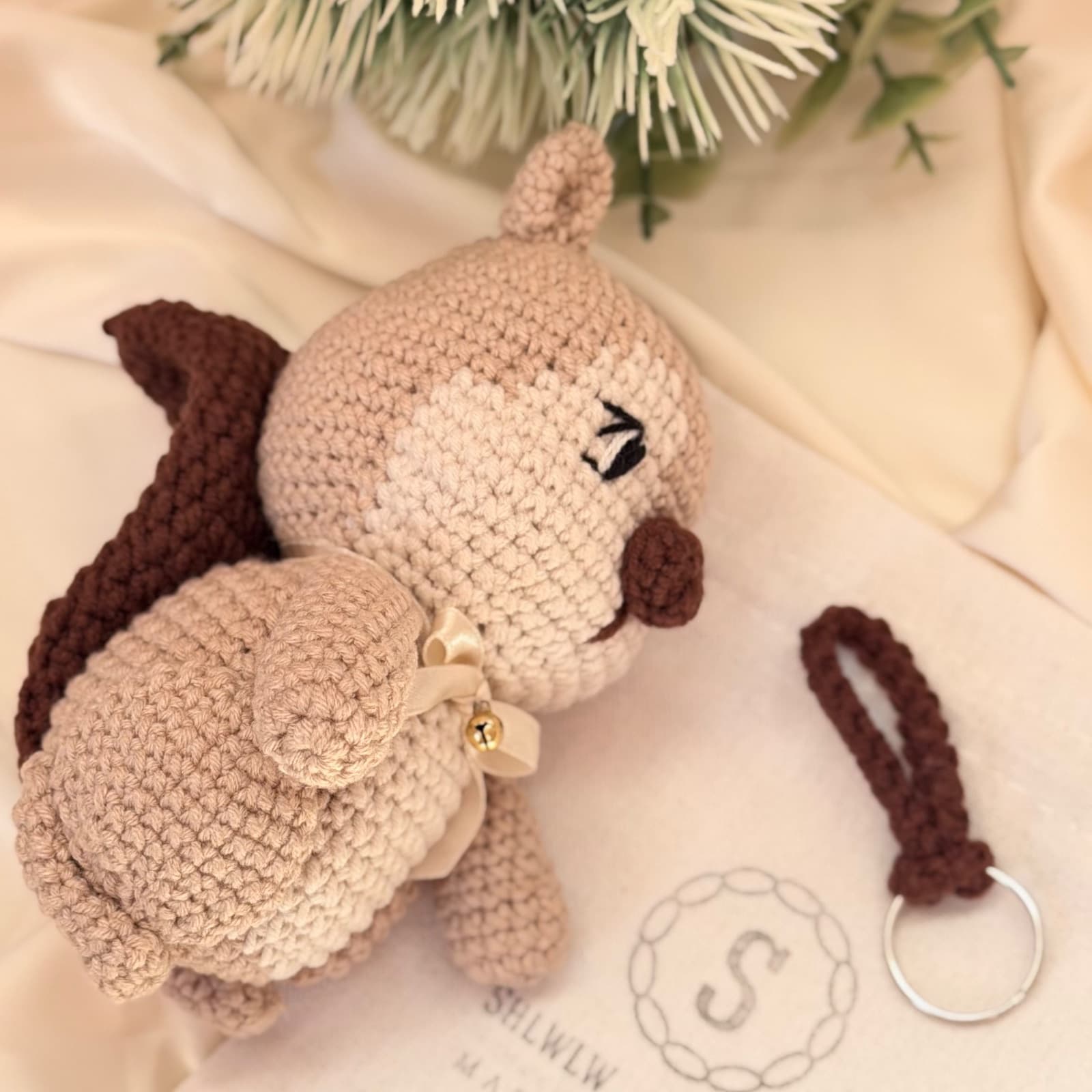
Handmade, made-to-order crochet products
Visit the shop →
Explore what is being made today.
Recent pieces listed on Sawiliy.
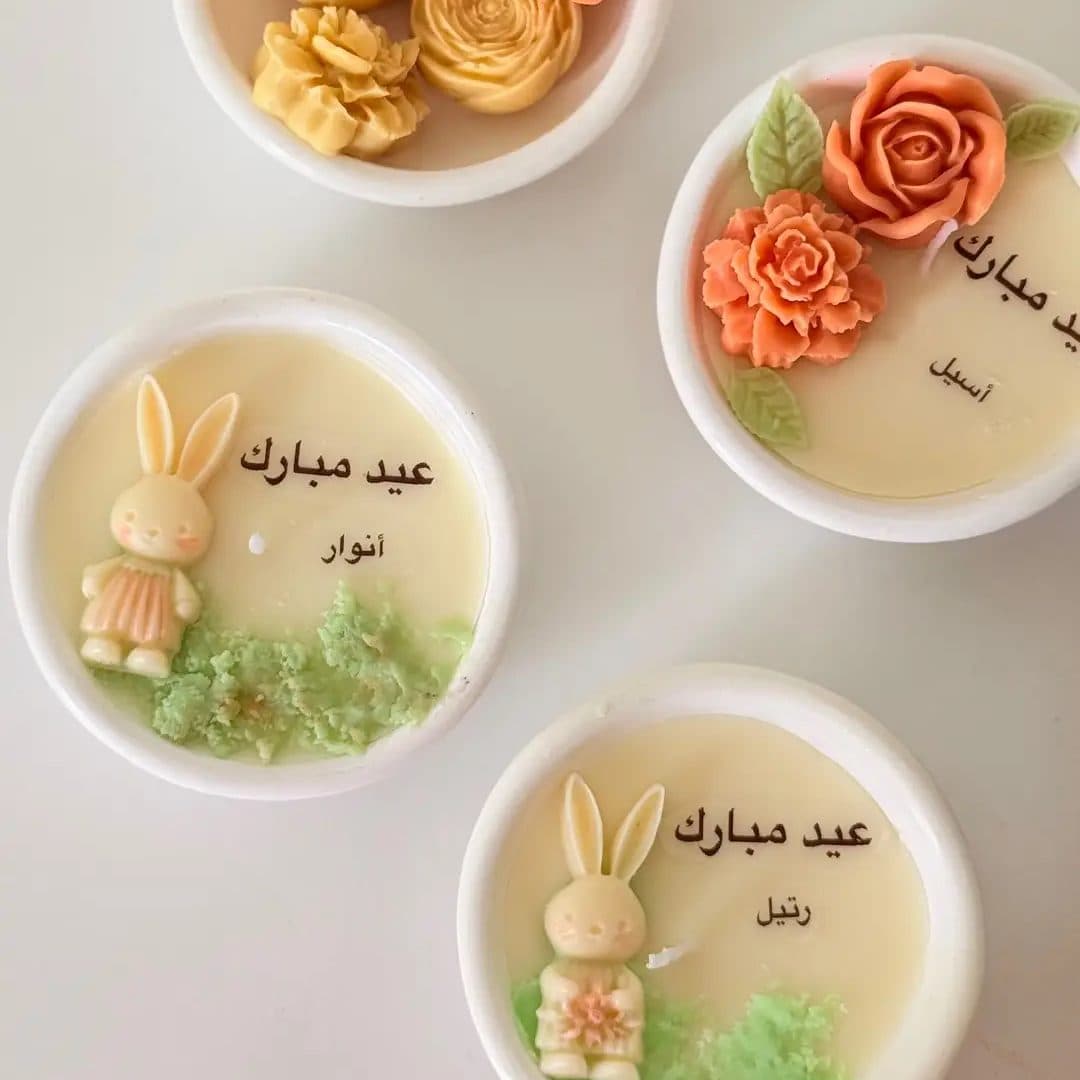
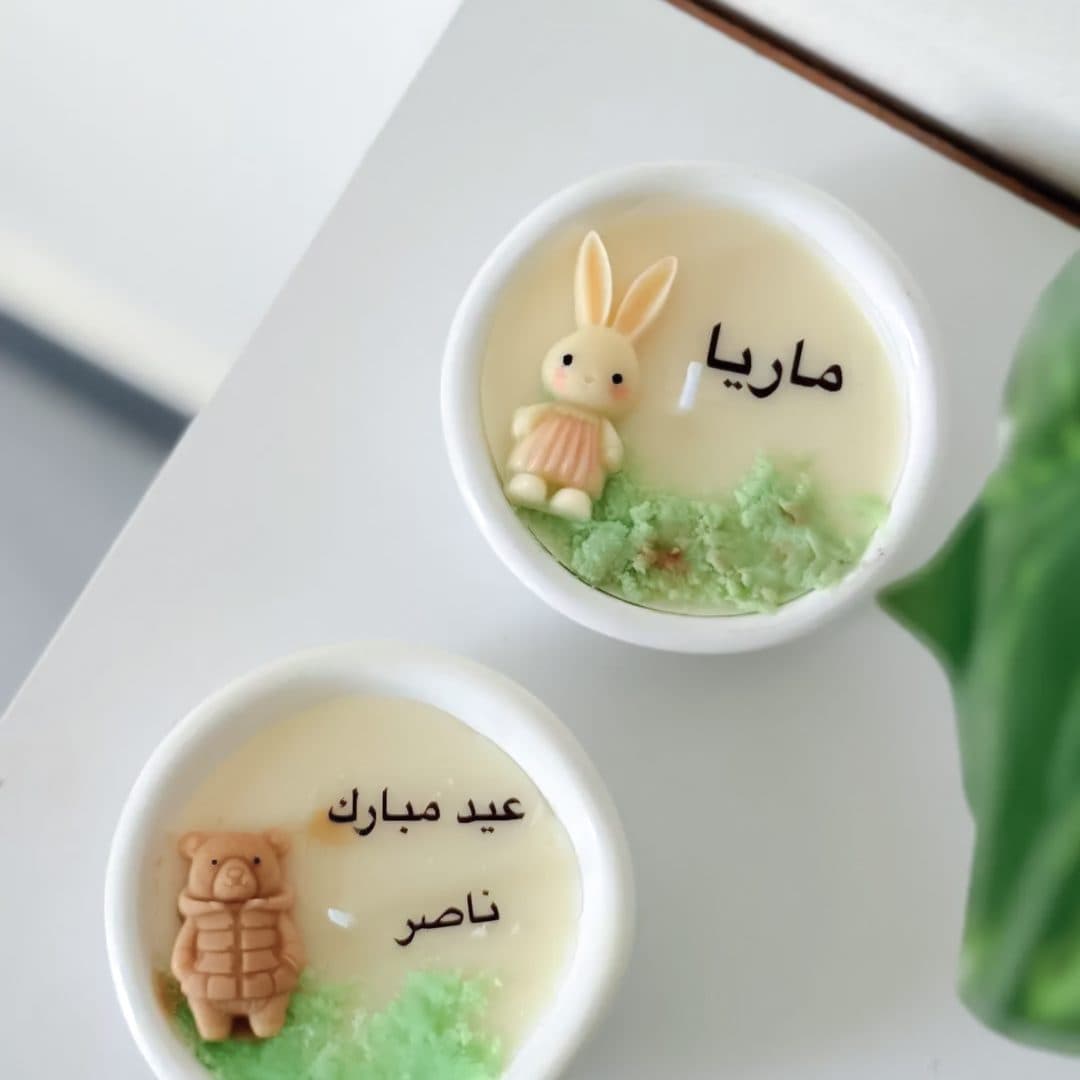
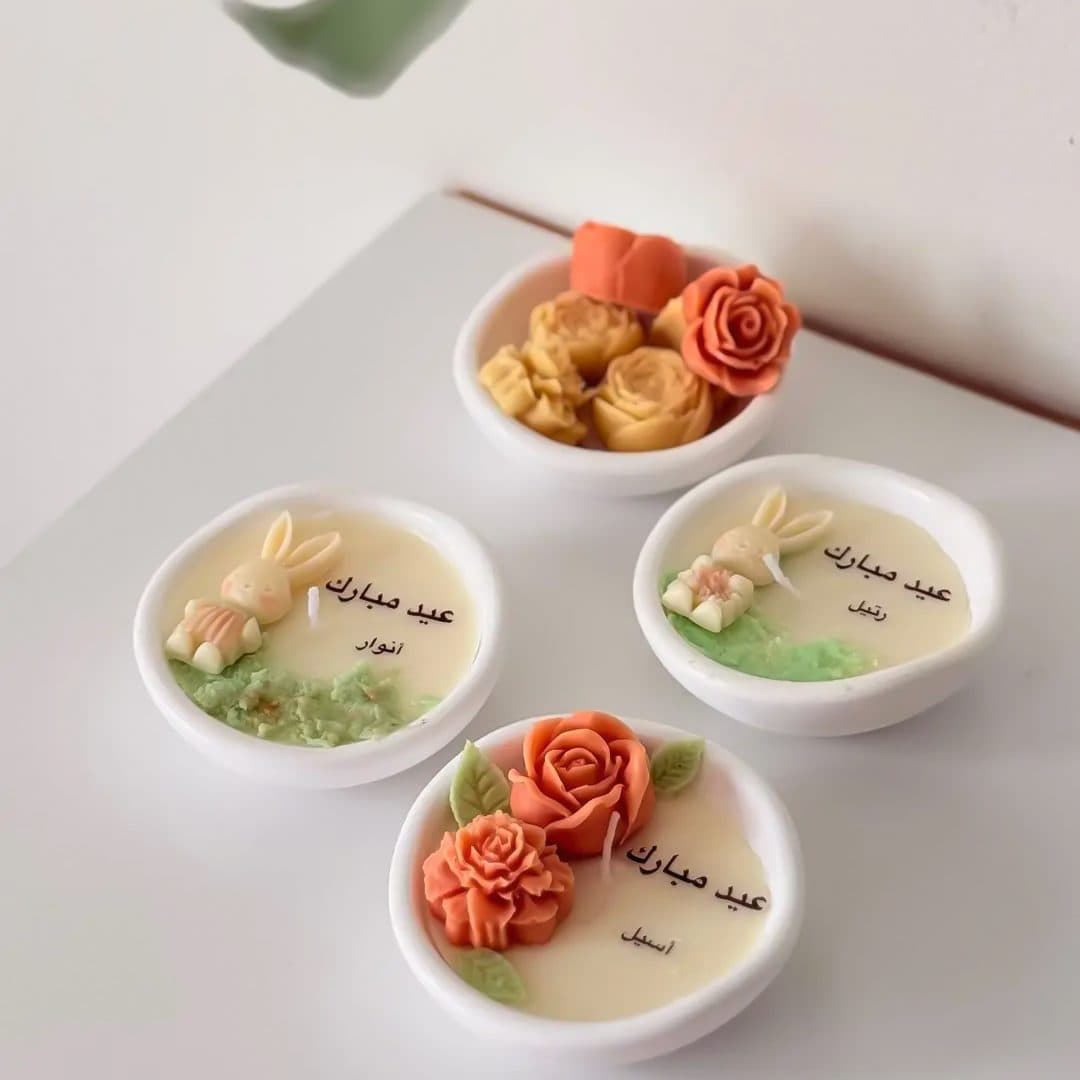
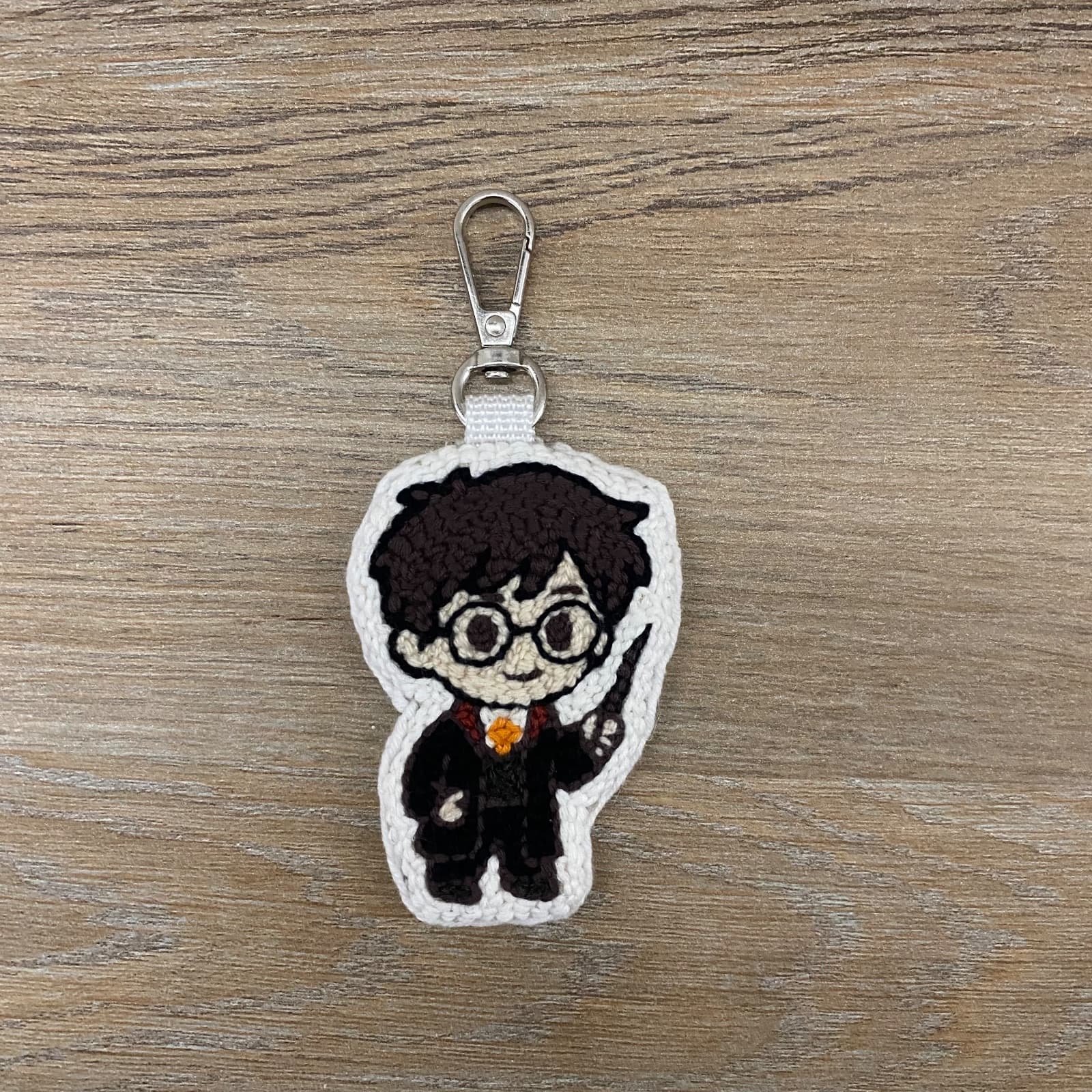
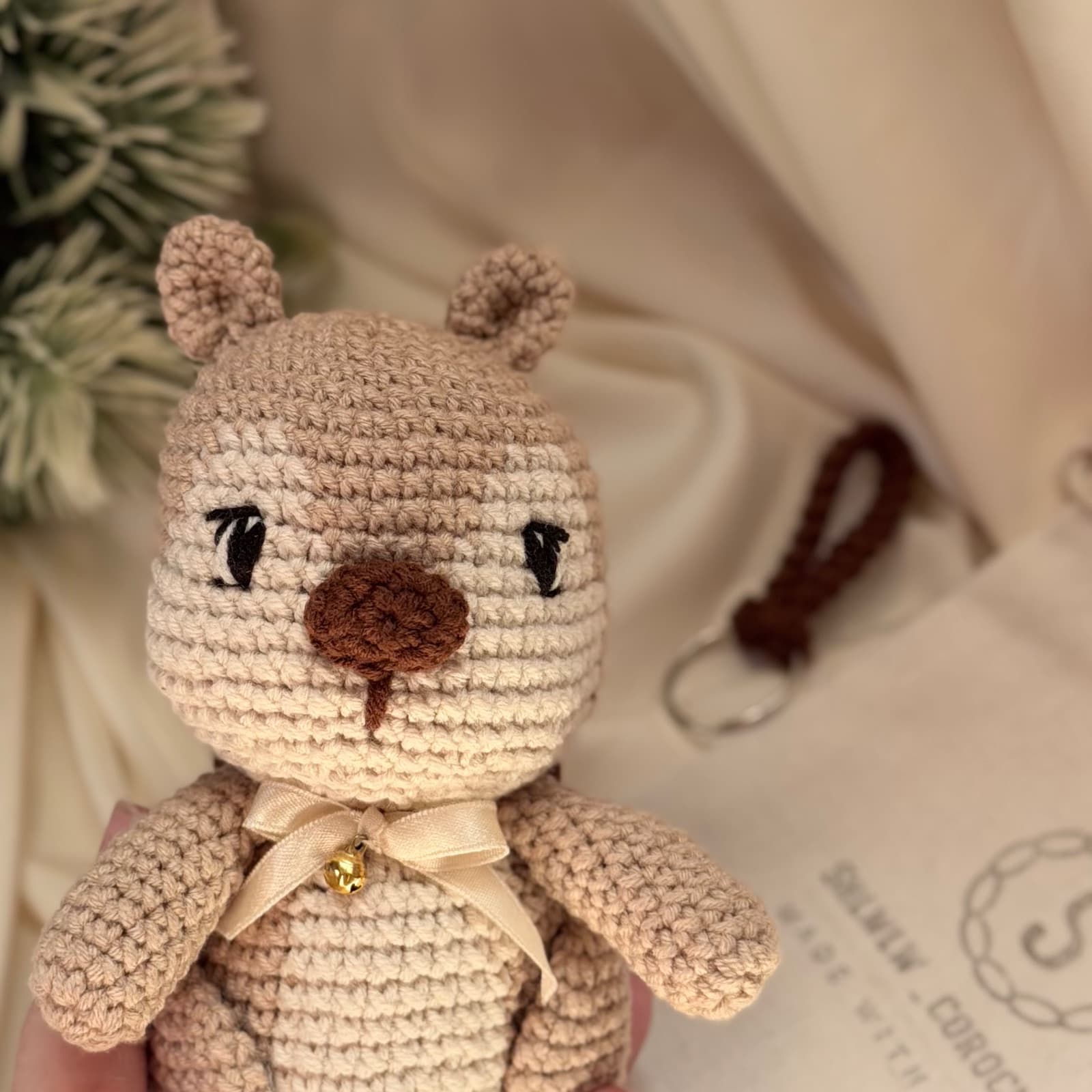
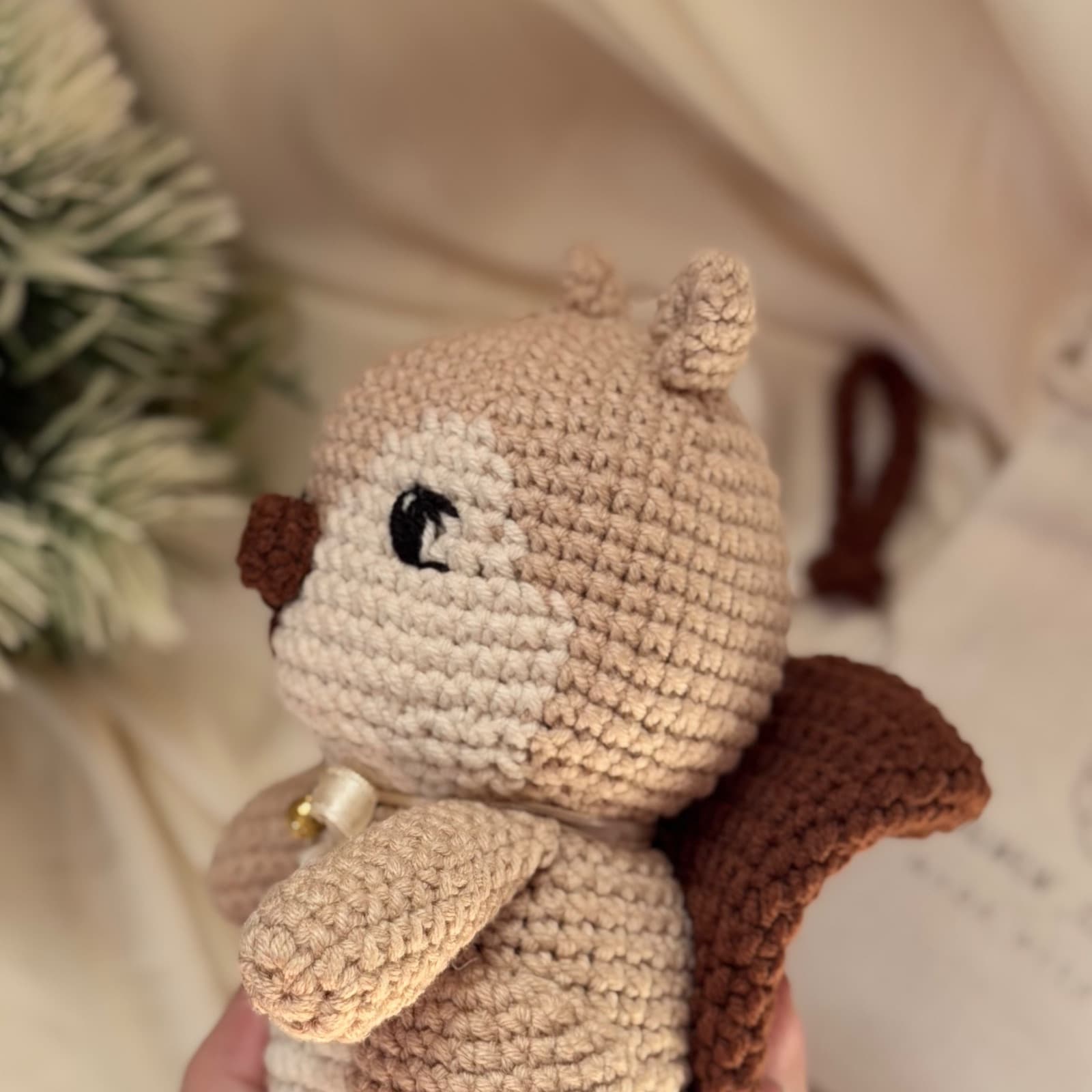
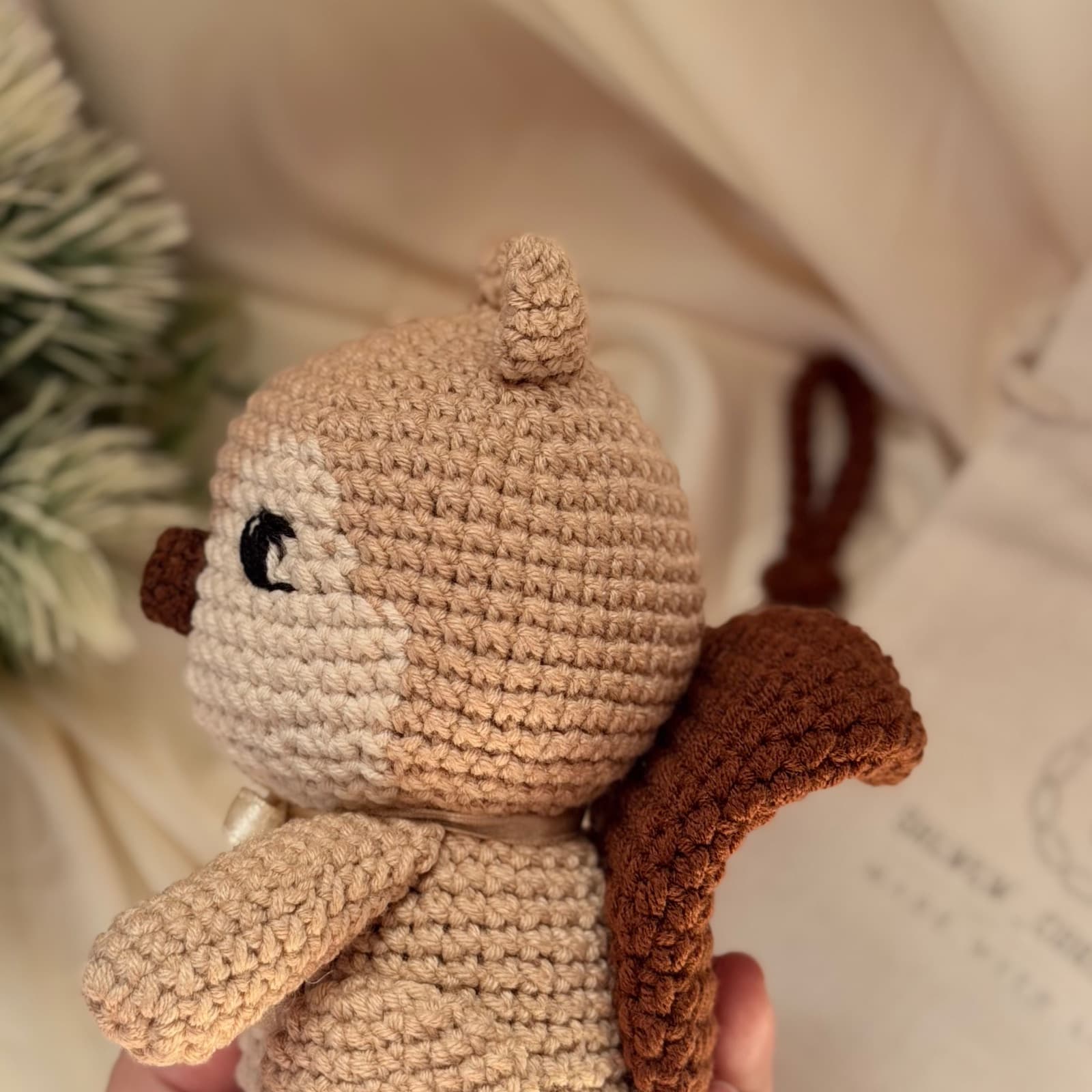
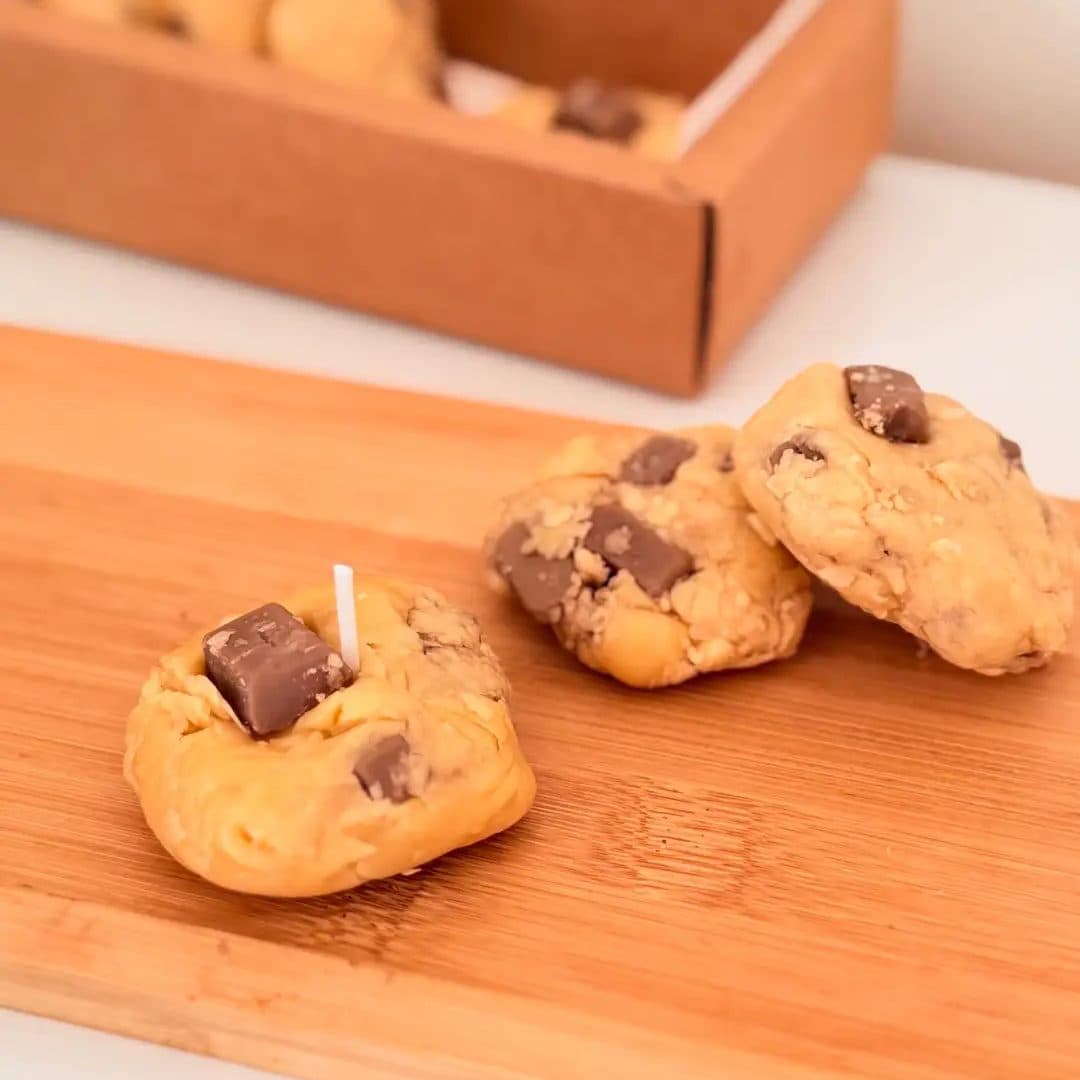
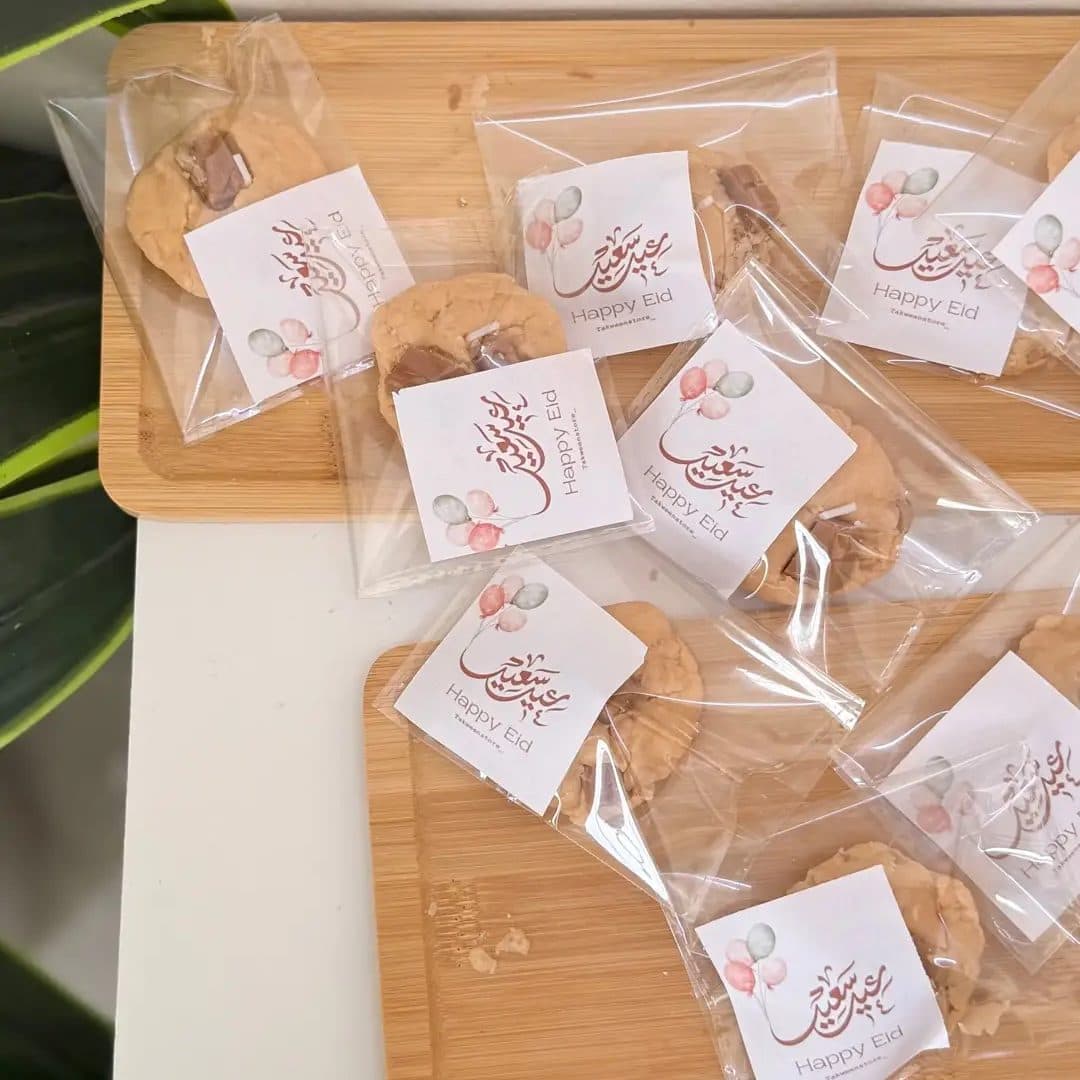
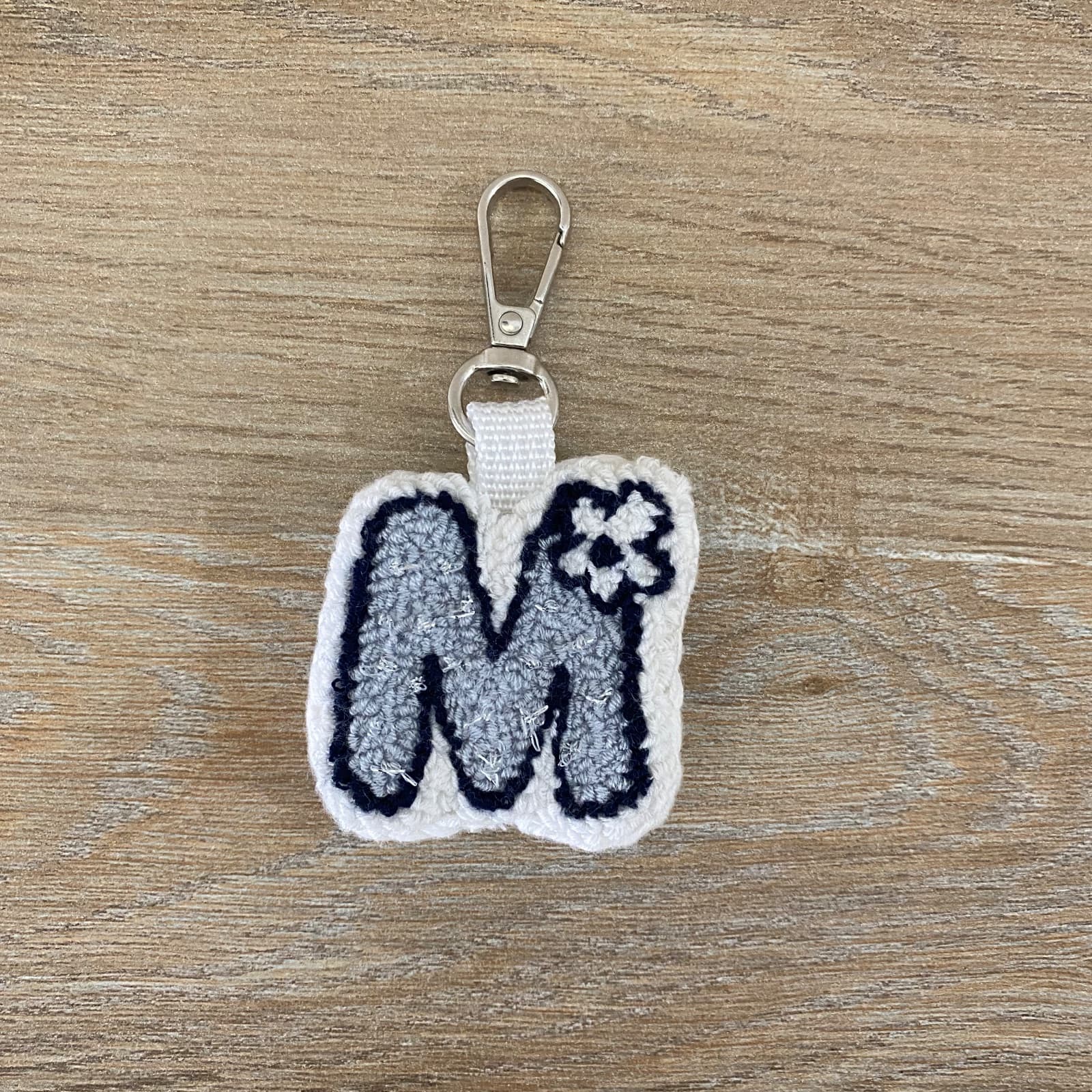
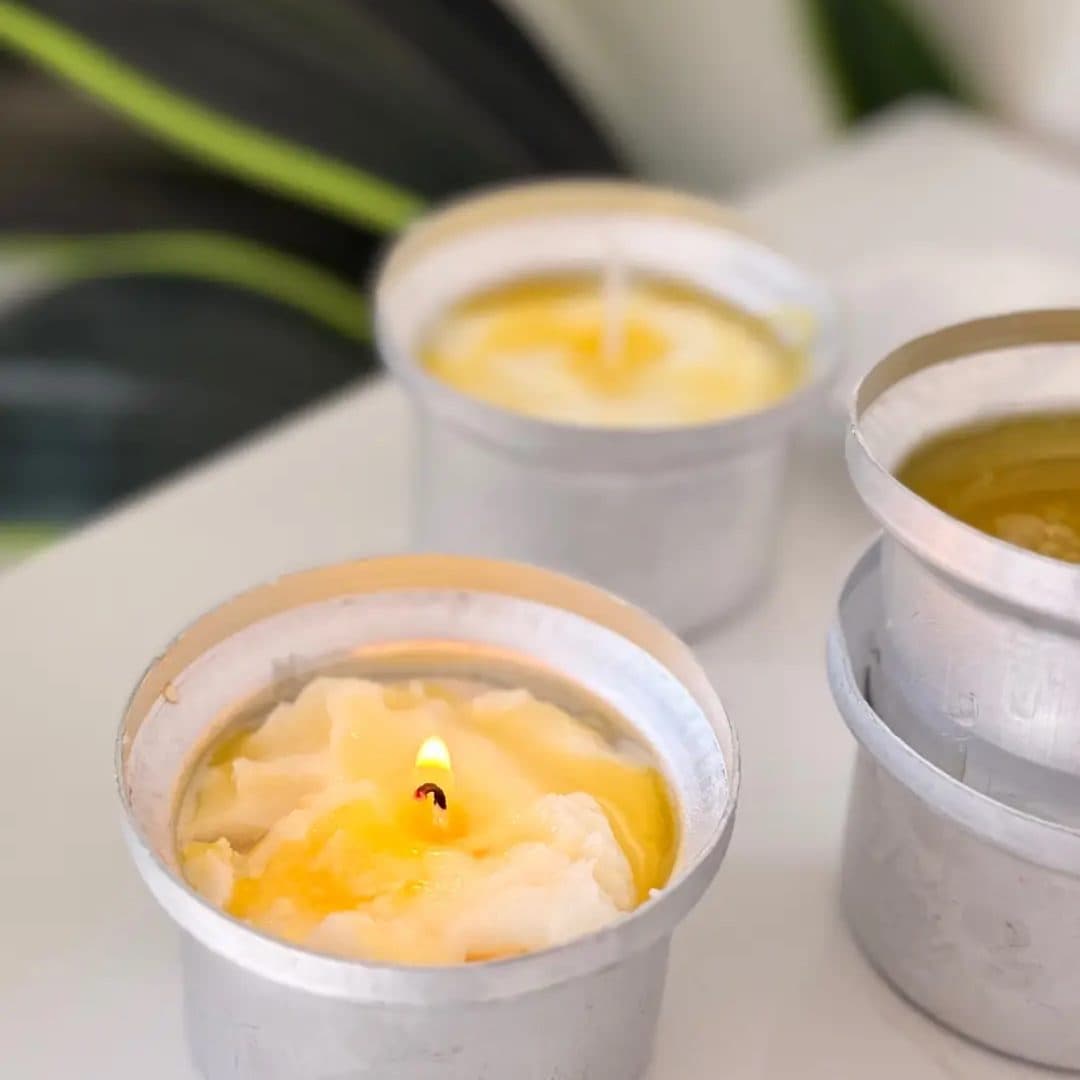
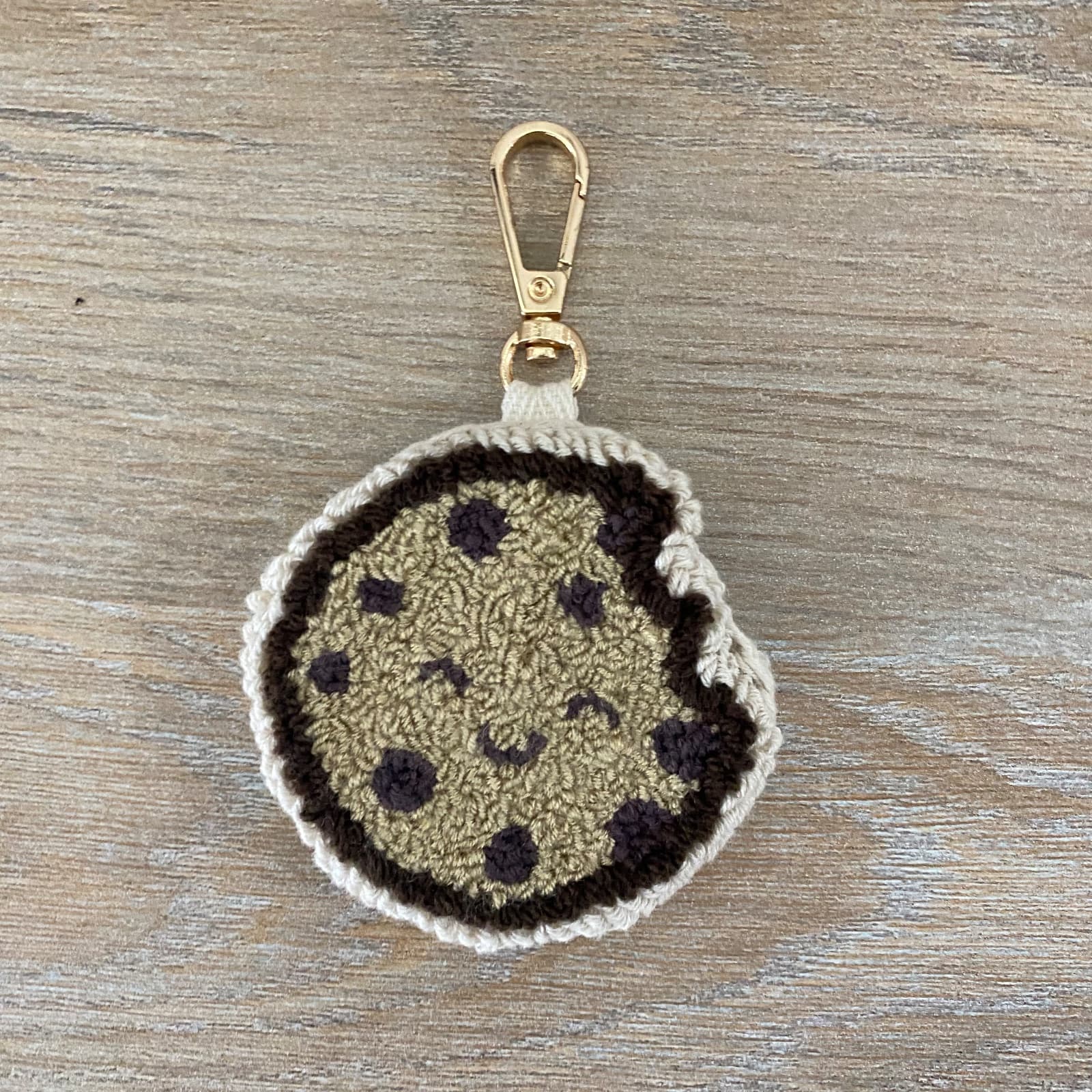
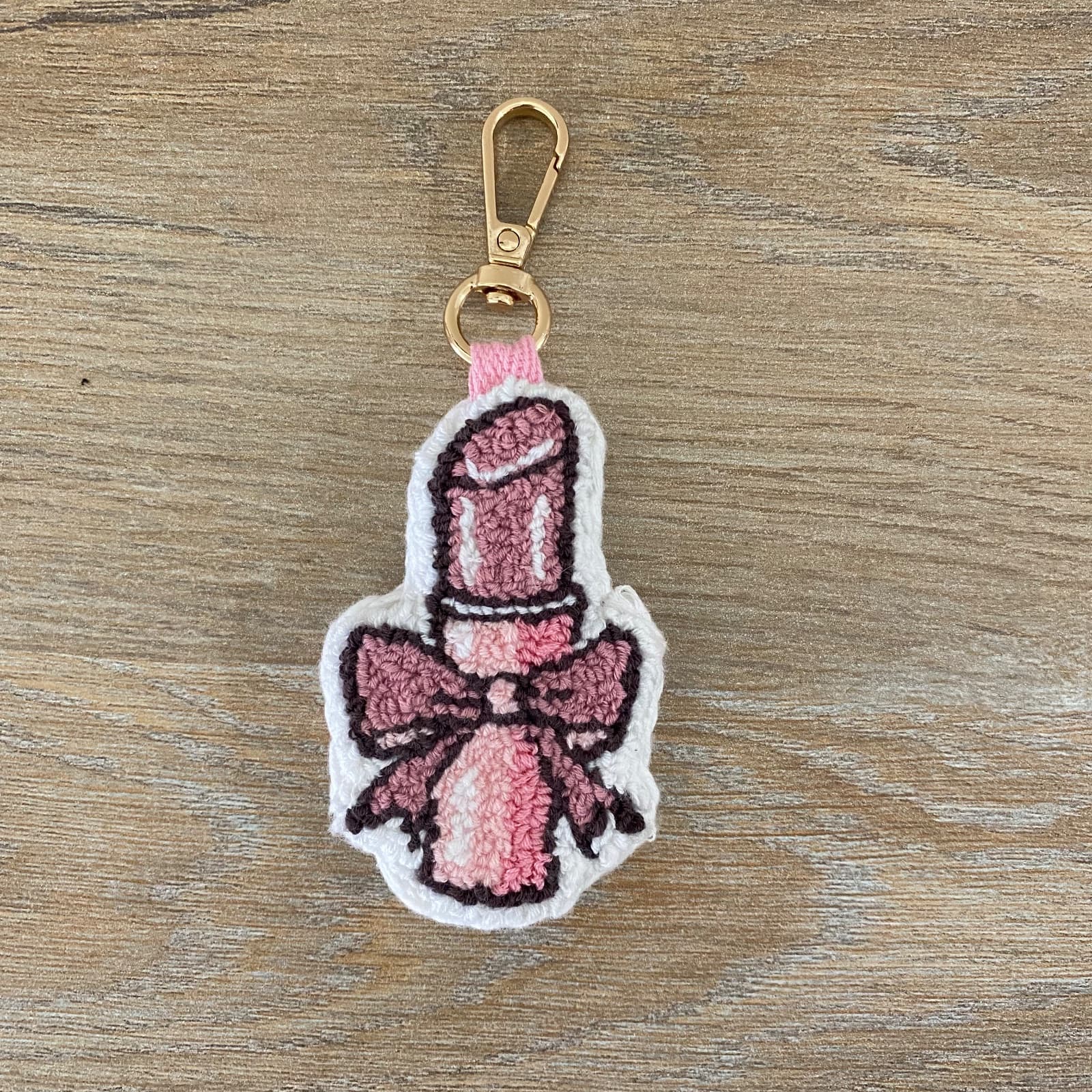
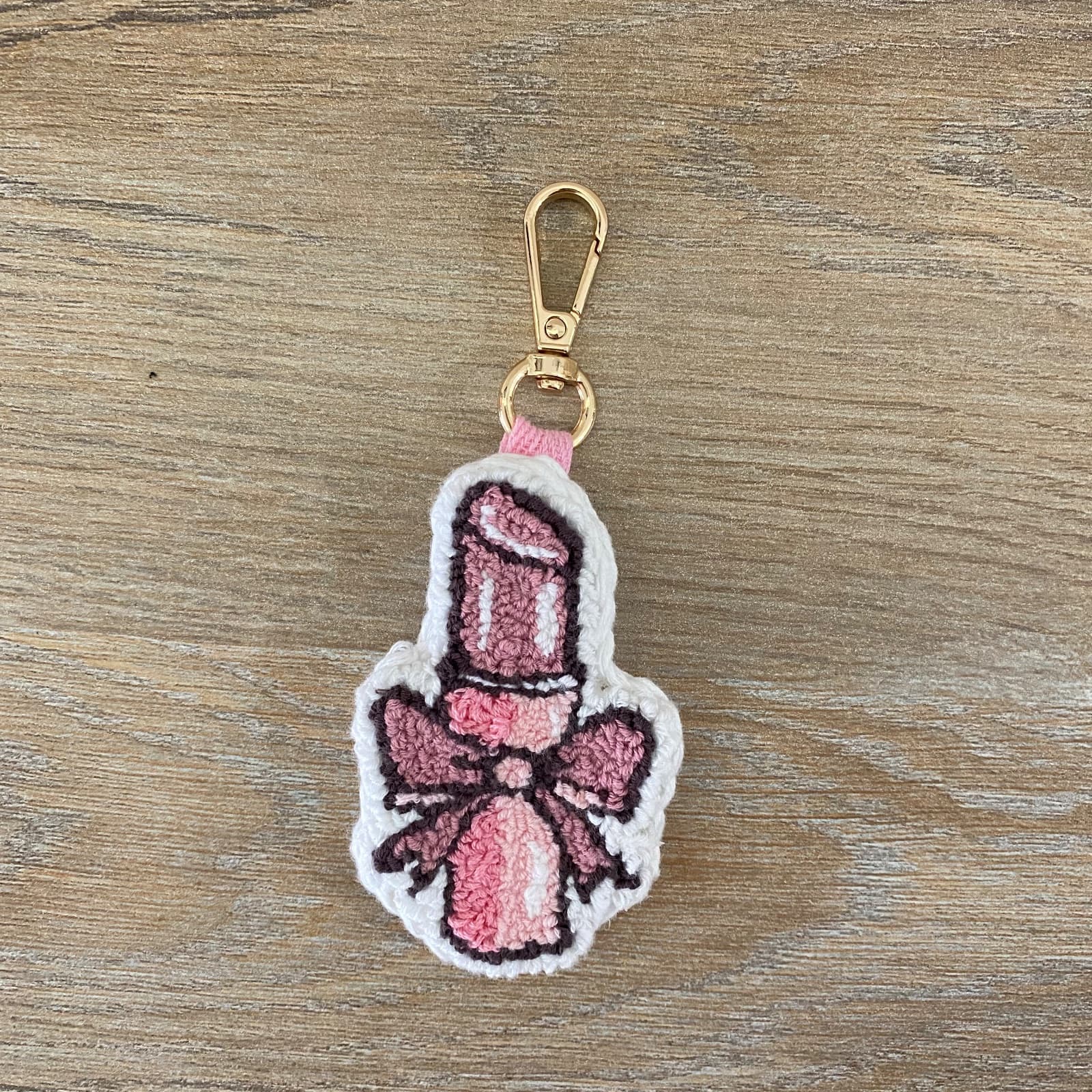
What was made yesterday inspires what is being made today.
The simplest way to support today's makers is to buy from one.
About these photographs
Photographed in Nizwa in March 2026 and bought for this page. The photographer's credit will be added once it is confirmed. The people shown are not presented as Sawiliy sellers.
Sources
Each numbered note above points to one of these pages, read on 4 October 2026. The founder's story is a personal account and carries no notes.
- Oman's Ministry of Foreign Affairs, “Oman by region”
- Oman's Ministry of Heritage and Tourism, “Nizwa Fort”
- Oman's Ministry of Information, “سوق نزوى” (in Arabic)
- UNESCO, “Decision of the Intergovernmental Committee: 17.COM 7.B.21”
- UNESCO, “Traditional craftsmanship”
- UNESCO, “What is Intangible Cultural Heritage?”
- UNESCO, “Decision of the Intergovernmental Committee: 17.COM 7.B.33”
- UNESCO, “Date palm, knowledge, skills, traditions and practices”
- Oman's Ministry of Information, “الصناعات و الحرفية التقليدية” (in Arabic)
- UNESCO, “Sustainable development and living heritage”
- UNESCO, “Text of the Convention for the Safeguarding of the Intangible Cultural Heritage”
- UNESCO, “Oman”
- UNESCO, “Al-Khanjar, craft skills and social practices”